

Immunotherapy
Home – Immunotherapy

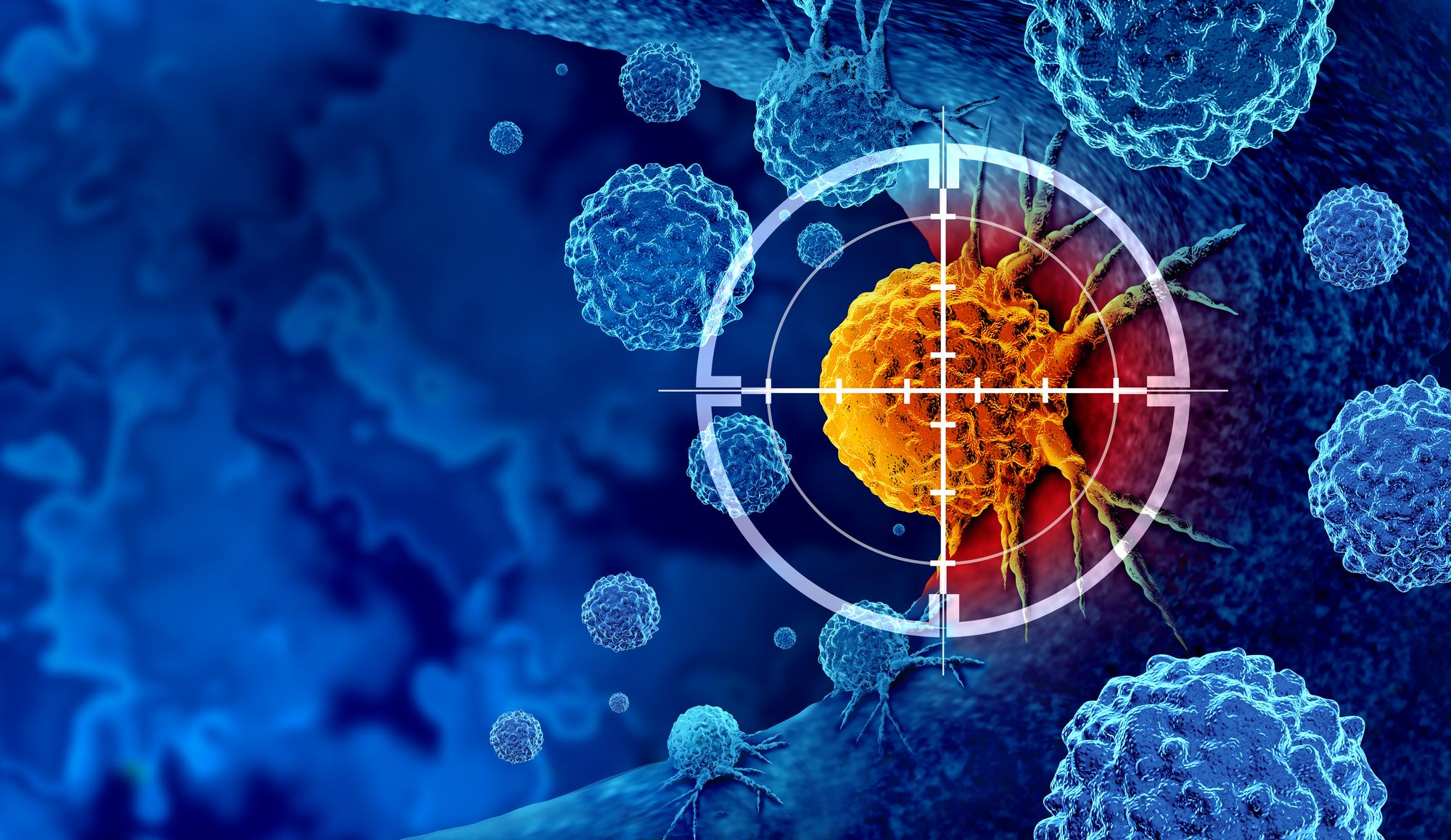
Harnessing the Immune System Through Advanced Cellular Technology
The immune system has a natural ability to recognise and respond to abnormal cells. However, cancer cells can develop mechanisms that allow them to avoid or suppress immune recognition.
Immunotherapy uses biological and cellular approaches to help the immune system recognise, target and respond to cancer cells more effectively. Cellular immunotherapies such as CAR-T and NK-cell-based approaches represent an important area of modern cancer research and treatment.
Immunotherapy uses biological and cellular approaches to help the immune system recognise, target and respond to cancer cells more effectively. Cellular immunotherapies such as CAR-T and NK-cell-based approaches represent an important area of modern cancer research and treatment.
Why Immunotherapy Matters
Cancer treatment is increasingly moving toward more targeted and personalised approaches. Instead of acting broadly on rapidly dividing cells, some immunotherapies are designed around specific immune mechanisms or molecular targets.
- Harness the body's immune response
- Target specific cancer-associated markers
- Support personalized treatment strategies
- Expand options in modern oncology
Harnessing the Immune System Through Advanced Cellular Technology
The immune system has a natural ability to recognise and respond to abnormal cells. However, cancer cells can develop mechanisms that allow them to avoid or suppress immune recognition.
Immunotherapy uses biological and cellular approaches to help the immune system recognise, target and respond to cancer cells more effectively. Cellular immunotherapies such as CAR-T and NK-cell-based approaches represent an important area of modern cancer research and treatment.
Immunotherapy uses biological and cellular approaches to help the immune system recognise, target and respond to cancer cells more effectively. Cellular immunotherapies such as CAR-T and NK-cell-based approaches represent an important area of modern cancer research and treatment.
Why Immunotherapy Matters
Cancer treatment is increasingly moving toward more targeted and personalised approaches. Instead of acting broadly on rapidly dividing cells, some immunotherapies are designed around specific immune mechanisms or molecular targets.
- Harness the body's immune response
- Target specific cancer-associated markers
- Support personalized treatment strategies
- Expand options in modern oncology

Understanding Cellular Immunotherapy
Cellular immunotherapy uses immune cells as part of a therapeutic strategy against cancer. Different immune cells have different biological functions, making them suitable for different approaches.
Two important areas of cellular immunotherapy are CAR-T-cell therapy and Natural Killer (NK) cell therapy.
Two important areas of cellular immunotherapy are CAR-T-cell therapy and Natural Killer (NK) cell therapy.
Understanding Cellular Immunotherapy
Cellular immunotherapy uses immune cells as part of a therapeutic strategy against cancer. Different immune cells have different biological functions, making them suitable for different approaches.
Two important areas of cellular immunotherapy are CAR-T-cell therapy and Natural Killer (NK) cell therapy.
Two important areas of cellular immunotherapy are CAR-T-cell therapy and Natural Killer (NK) cell therapy.
CAR-T Cell Therapy
CAR-T therapy uses T cells that are modified in the laboratory to express a Chimeric Antigen Receptor (CAR).
The receptor is designed to recognise a specific antigen on cancer cells. After the modified cells are expanded, they can be administered to the patient,
where the CAR enables the T cells to recognise cells carrying the targeted antigen. CAR-T therapies currently have established roles in certain
hematological malignancies, including some leukemias, lymphomas and multiple myeloma.
NK Cell Therapy
Natural Killer cells are part of the body’s innate immune system and naturally participate in recognising and eliminating abnormal cells.
NK cells can be isolated, expanded, activated or engineered for therapeutic research and clinical applications. Engineered approaches,
including CAR-NK cells, are being investigated as another strategy for directing immune-cell activity toward cancer associated targets.
CAR-T Cell Therapy
CAR-T therapy uses T cells that are modified in the laboratory to express a Chimeric Antigen Receptor (CAR).
The receptor is designed to recognise a specific antigen on cancer cells. After the modified cells are expanded, they can be administered to the patient,
where the CAR enables the T cells to recognise cells carrying the targeted antigen. CAR-T therapies currently have established roles in certain
hematological malignancies, including some leukemias, lymphomas and multiple myeloma.
NK Cell Therapy
Natural Killer cells are part of the body’s innate immune system and naturally participate in recognising and eliminating abnormal cells.
NK cells can be isolated, expanded, activated or engineered for therapeutic research and clinical applications. Engineered approaches,
including CAR-NK cells, are being investigated as another strategy for directing immune-cell activity toward cancer associated targets.
Stem Cells
Stem cells are known for their ability to develop into different types of cells within the body.
They are studied and applied in regenerative approaches to support tissue repair, cellular renewal, and recovery processes.
NK Cells (Natural Killer Cells)
NK cells are a type of immune cell that plays a role in the body’s natural defense system.
They are explored in regenerative and supportive care approaches to assist in maintaining immune balance and overall cellular health.
The Significance
Cellular immunotherapy represents a different approach to cancer treatment by using immune cells as part of the therapeutic strategy.
CAR-T and NK-cell approaches differ in their biology, manufacturing and clinical applications, making appropriate patient selection, treatment planning and specialist oversight essential.
Quality and Safety Considerations
Cellular therapies require carefully controlled processes across collection, processing, manufacturing, storage and transportation.
Our focus is on supporting healthcare institutions with solutions sourced and handled according to applicable quality, safety, traceability and regulatory requirements.
The Significance
Cellular immunotherapy represents a different approach to cancer treatment by using immune cells as part of the therapeutic strategy.
CAR-T and NK-cell approaches differ in their biology, manufacturing and clinical applications, making appropriate patient selection, treatment planning and specialist oversight essential.
Quality and Safety Considerations
Cellular therapies require carefully controlled processes across collection, processing, manufacturing, storage and transportation.
Our focus is on supporting healthcare institutions with solutions sourced and handled according to applicable quality, safety, traceability and regulatory requirements.
What We Offer
For Healthcare Professionals
01
Advanced Cellular Solutions
CAR-T and NK-cell solutions for appropriate clinical and institutional applications.
02
Quality-Focused Supply
Controlled sourcing, handling and supply processes designed around cellular-product requirements.
03
Traceability & Documentation
Supporting healthcare professionals with relevant product documentation and traceability.
04
Professional Support
Coordination and product support for healthcare institutions and clinical teams.

What We Offer
For Healthcare Professionals
01
Advanced Cellular Solutions
CAR-T and NK-cell solutions for appropriate clinical and institutional applications.
02
Quality-Focused Supply
Controlled sourcing, handling and supply processes designed around cellular-product requirements.
03
Traceability & Documentation
Supporting healthcare professionals with relevant product documentation and traceability.
04
Professional Support
Coordination and product support for healthcare institutions and clinical teams.
For Individuals
01
Non-surgical regenerative solutions for recovery and maintenance
02
Designed to support the body’s natural processes over time
03
Focused on gradual, controlled outcomes
04
Guidance on selecting suitable options based on individual needs

For Individuals
01
Non-surgical regenerative solutions for recovery and maintenance
02
Designed to support the body’s natural processes over time
03
Focused on gradual, controlled outcomes
04
Guidance on selecting suitable options based on individual needs
Quality and Reliability You Can Trust
Our wound care solutions are sourced and supplied in accordance with relevant quality and safety standards, ensuring consistency, reliability, and suitability for both clinical and general use.
Frequently Asked Questions
Popular Questions
Understanding Cellular Immunotherapy
Immunotherapy is a form of treatment that uses or modifies components of the immune system to help recognise and respond to disease. In oncology, several types of immunotherapies are used or studied to improve the immune system's ability to target cancer cells.
CAR-T therapy involves modifying T cells, so they express a Chimeric Antigen Receptor designed to recognise a particular target on cancer cells. The modified cells are expanded before being administered to the patient.
Natural Killer cells are immune cells belonging to the innate immune system. They have a natural ability to recognise and respond to abnormal cells, and different NK-cell-based therapeutic approaches are being researched for cancer treatment.
CAR-T therapy generally involves engineering T cells with a receptor designed to recognise a particular antigen. NK-cell therapies use Natural Killer cells and may involve expansion, activation or genetic engineering depending on the approach.
Both belong to the broader field of cellular immunotherapy but differ substantially in their biology, manufacturing and clinical use.
Frequently Asked Questions
Popular Questions
Understanding Cellular Immunotherapy
Immunotherapy is a form of treatment that uses or modifies components of the immune system to help recognise and respond to disease. In oncology, several types of immunotherapies are used or studied to improve the immune system's ability to target cancer cells.
CAR-T therapy involves modifying T cells, so they express a Chimeric Antigen Receptor designed to recognise a particular target on cancer cells. The modified cells are expanded before being administered to the patient.
Natural Killer cells are immune cells belonging to the innate immune system. They have a natural ability to recognise and respond to abnormal cells, and different NK-cell-based therapeutic approaches are being researched for cancer treatment.
CAR-T therapy generally involves engineering T cells with a receptor designed to recognise a particular antigen. NK-cell therapies use Natural Killer cells and may involve expansion, activation or genetic engineering depending on the approach.
Both belong to the broader field of cellular immunotherapy but differ substantially in their biology, manufacturing and clinical use.
Find the Right Solution for Your Needs
Choosing the right approach depends on your individual needs, goals, and circumstances.
Speak with our team to explore suitable options and next steps.
Find the Right Solution for Your Needs
Choosing the right approach depends on your individual needs, goals, and circumstances.
Speak with our team to explore suitable options and next steps.