


ELIXIR HEALTHCARE SOLUTIONS

CAR-T Cell Therapy

Home – CAR-T Cell Therapy

What Are CAR-T Cells?

CAR-T (Chimeric Antigen Receptor T) cells are a type of immune cell that has been specially modified in a laboratory to better recognize and respond to certain cancer cells.

They originate from T cells, which are a type of white blood cell responsible for identifying and fighting abnormal or infected cells in the body.

In CAR-T therapy, these T cells are collected and engineered to target specific markers found on cancer cells, enabling a more directed and controlled immune response.

How CAR-T Cells Function?

T cells naturally help the body identify and respond to abnormal or infected cells. However, some cancer cells may evade detection or resist the immune response.

What Are CAR-T Cells?

CAR-T (Chimeric Antigen Receptor T) cells are a type of immune cell that has been specially modified in a laboratory to better recognize and respond to certain cancer cells.

They originate from T cells, which are a type of white blood cell responsible for identifying and fighting abnormal or infected cells in the body.

In CAR-T therapy, these T cells are collected and engineered to target specific markers found on cancer cells, enabling a more directed and controlled immune response.

How CAR-T Cells Function?

T cells naturally help the body identify and respond to abnormal or infected cells. However, some cancer cells may evade detection or resist the immune response.

CAR-T Cell Therapy

CAR-T therapy works by:
Modifying T cells to recognize specific cancer cell markers
Enhancing the ability of these cells to identify targeted cancer cells
Supporting a more directed immune response within the body
This is a complex and highly controlled process, typically conducted within specialized medical environments.

CAR-T Cell Therapy

CAR-T therapy works by:

Modifying T cells to recognize specific cancer cell markers
Enhancing the ability of these cells to identify targeted cancer cells
Supporting a more directed immune response within the body
This is a complex and highly controlled process, typically conducted within specialized medical environments.

Where CAR-T Cell Therapy May Be Considered

CAR-T cell therapy is explored primarily in specific types of blood-related cancers:
(Suitability depends on diagnosis, disease stage, prior treatments, and clinical evaluation.)

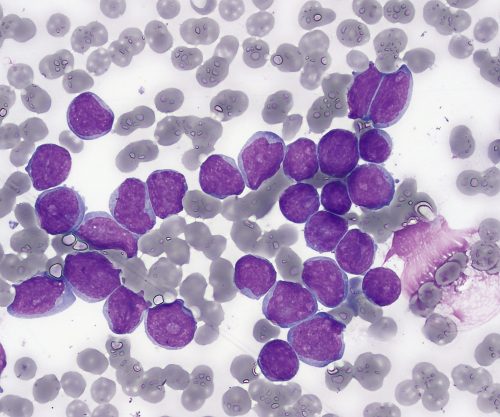
B-cell Acute Lymphoblastic Leukemia (ALL)
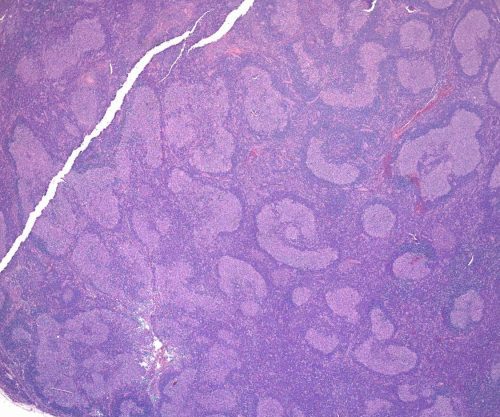
Lymphoma

Multiple Myeloma

Where CAR-T Cell Therapy May Be Considered

CAR-T cell therapy is explored primarily in specific types of blood-related cancers:
(Suitability depends on diagnosis, disease stage, prior treatments, and clinical evaluation.)

B-cell Acute Lymphoblastic Leukemia (ALL)

Diffuse Large B-Cell Lymphoma (DLBCL)

Primary Mediastinal Large B-Cell Lymphoma (PMBCL)

Type of Stem Cells

Embryonic Stem Cells (ESCs)

Pluripotent cells derived from early-stage embryos, capable of differentiating into almost any cell type.

Mesenchymal Stem Cells (MSCs)

Multipotent cells found in tissues like bone marrow or fat, commonly used for tissue repair and wound healing

Induced Pluripotent Stem Cells (iPSCs)

Also known as iPSCs. Adult cells reprogrammed to a pluripotent state, offering research and therapeutic potential.
Situations requiring a more targeted immunotherapy approach
Patients undergoing specialist oncology evaluation

Featured Solutions
CAR-T cell therapy represents a highly specialized approach explored in certain cancer treatment pathways, particularly for cases that have relapsed or proven refractory to conventional therapies.

Who May Consider CAR-T Cell Therapy?

Specific cancer cases where conventional treatments have limited response

Situations requiring a more targeted immunotherapy approach
Patients undergoing specialist oncology evaluation

Featured Solutions
CAR-T cell therapy represents a highly specialized approach explored in certain cancer treatment pathways, particularly for cases that have relapsed or proven refractory to conventional therapies.

Who May Consider CAR-T Cell Therapy?

Specific cancer cases where conventional treatments have limited response

CAR-T Cell Therapy Process

01

T Cell Collection
A sample of the patient’s blood is collected through a process designed to isolate T cells, a key component of the immune system.

02

Genetic Modification
The collected T cells are sent to a specialized laboratory, where they are engineered to express chimeric antigen receptors (CARs). These receptors enable the cells to better recognize specific markers found on targeted cancer cells.

03

Cell Expansion
The modified T cells are cultivated and expanded under controlled conditions to produce sufficient quantities for treatment.

04

Quality and Safety Assessment
Before administration, the engineered cells undergo strict quality checks to ensure consistency, viability, and suitability for clinical use.

05

Reinfusion (Administration)
The prepared CAR-T cells are infused back into the patient under close medical supervision, typically within a specialized clinical setting.

06

Monitoring and Follow-Up
After infusion, patients are closely monitored for response and potential side effects. Follow-up care is an essential part of the overall treatment process.

CAR-T Cell Therapy Process

01

T Cell Collection
A sample of the patient’s blood is collected through a process designed to isolate T cells, a key component of the immune system.

02

Genetic Modification
The collected T cells are sent to a specialized laboratory, where they are engineered to express chimeric antigen receptors (CARs). These receptors enable the cells to better recognize specific markers found on targeted cancer cells.

03

Cell Expansion
The modified T cells are cultivated and expanded under controlled conditions to produce sufficient quantities for treatment.

04

Quality and Safety Assessment
Before administration, the engineered cells undergo strict quality checks to ensure consistency, viability, and suitability for clinical use.

05

Reinfusion (Administration)
The prepared CAR-T cells are infused back into the patient under close medical supervision, typically within a specialized clinical setting.

06

Monitoring and Follow-Up
After infusion, patients are closely monitored for response and potential side effects. Follow-up care is an essential part of the overall treatment process.

Understanding CAR-T Therapy:

Complexities and Considerations

CAR-T cell therapy is a highly specialized treatment involving the collection of a patient’s T cells, genetic modification in a controlled laboratory, expansion of the modified cells, and reinfusion under strict clinical protocols.

Due to its complexity, the therapy is conducted in specialized centers with appropriate expertise and facilities, and all decisions should be made in consultation with qualified oncology specialists.

It requires strict eligibility criteria, close clinical monitoring, and administration within regulated medical environments, and is not suitable for all individuals.

Understanding CAR-T Therapy:

Complexities and Considerations

CAR-T cell therapy is a highly specialized treatment involving the collection of a patient’s T cells, genetic modification in a controlled laboratory, expansion of the modified cells, and reinfusion under strict clinical protocols.

Due to its complexity, the therapy is conducted in specialized centers with appropriate expertise and facilities, and all decisions should be made in consultation with qualified oncology specialists.

It requires strict eligibility criteria, close clinical monitoring, and administration within regulated medical environments, and is not suitable for all individuals.

Selected Research & Publications

The following publications provide supporting insights into the applications and ongoing research surrounding this treatment area.

Frequently Asked Questions

Popular Questions

Get Clarity, Feel Confident

CAR-T is primarily indicated for patients with specific blood cancers who have limited options with standard treatments, as determined by an oncology specialist.

The process from T cell collection to reinfusion typically takes several weeks to months, including lab processing and safety checks.

Side effects can include immune reactions, fever, or low blood counts. Close medical monitoring helps manage these safely.

Frequently Asked Questions

Popular Questions

Get Clarity, Feel Confident

CAR-T is primarily indicated for patients with specific blood cancers who have limited options with standard treatments, as determined by an oncology specialist.

The process from T cell collection to reinfusion typically takes several weeks to months, including lab processing and safety checks.

Side effects can include immune reactions, fever, or low blood counts. Close medical monitoring helps manage these safely.

Schedule Your Specialist Evaluation

Meet with our team to review your condition, explore CAR-T therapy options, and plan the next steps safely and confidently.

Schedule Your Specialist Evaluation

Meet with our team to review your condition, explore CAR-T therapy options, and plan the next steps safely and confidently.

Scroll to Top